portalnewsletter



portalnewsletter






ZEN ZONE
portalnewsletter




portalnewsletter



portalnewsletter

Executive Intelligence Report 8556870290, 960661578, 911094166, 6944487208, 252555575, 621123950
The Executive Intelligence Report 8556870290, 960661578, 911094166, 6944487208, 252555575, and 621123950 presents a detailed examination of the evolving landscape in business intelligence. It highlights critical trends, such as the rising…

Industry Performance Benchmark 648636345, 334980110, 22672200, 2313081850, 7327242009, 453455402
Industry performance benchmarks such as 648636345, 334980110, and 22672200 serve as critical indicators of operational efficiency, financial health, and market positioning. These metrics allow organizations to systematically evaluate their performance…

Operational Strategy Review 951553499, 917259212, 34230711, 931776418, 651394676, 938691498
The Operational Strategy Review for identifiers 951553499, 917259212, 34230711, 931776418, 651394676, and 938691498 offers a critical assessment of current operational metrics. It outlines notable strengths such as communication and collaboration.…
Market Expansion Blueprint 674370760, 931770402, 1615432310, 911892238, 7272333909, 602473990
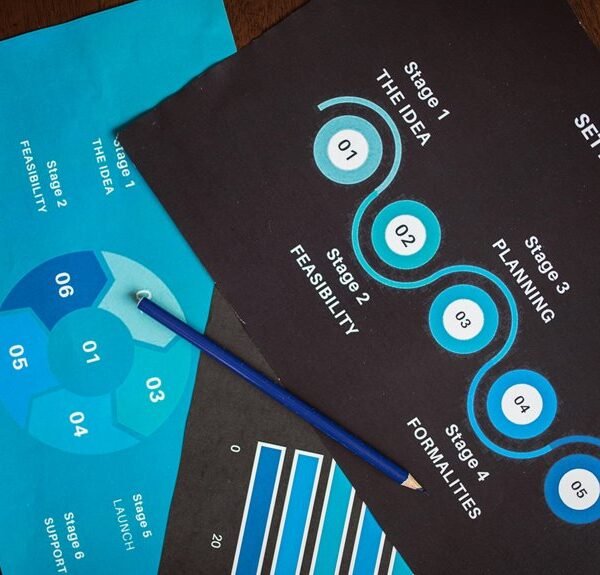
The Market Expansion Blueprint, identified by specific codes, provides a systematic approach for businesses to explore and penetrate new markets. It emphasizes critical components such as market opportunity identification, competitive…

Strategic Market Insights 570010, 699991004, 625100588, 689803144, 21597995, 2514124860
Strategic market insights associated with codes 570010, 699991004, 625100588, 689803144, 21597995, and 2514124860 highlight significant shifts in consumer preferences and market dynamics. These insights provide organizations with a framework to…
COVID-19
portalnewsletter
PortalNewsletter Explained: The Ultimate Powerful Guide (2026 Edition)

Understanding Digital Newsletter Portals
Digital communication has changed rapidly over the past decade. Traditional email newsletters, while still useful, are no longer enough on their own. Users now expect structured, searchable, and always-available content. This is where newsletter portals come into play.
What a Newsletter Portal Really Is
A newsletter portal is a centralized online space where published newsletters are stored, organized, and accessed. Instead of relying solely on email delivery, readers can log in and browse current and past editions at their convenience. This approach creates a more reliable and user-friendly experience, especially for audiences who want control over when and how they consume information.
Evolution of Online Information Portals
Early websites were static and difficult to update. Over time, content management systems introduced flexibility, and portals emerged as hubs for dynamic information. Newsletter portals are a natural extension of this evolution, combining regular updates with structured access and long-term value.
Why Centralized Newsletters Matter Today
Information Overload and the Need for Structure
People receive dozens of emails every day. Important updates often get lost in crowded inboxes. A centralized portal solves this problem by acting as a single source of truth. Readers know exactly where to go to find verified and up-to-date information.
Trust, Credibility, and Authority
When content is well-organized and consistently published in one trusted location, it builds credibility. Organizations that invest in a dedicated portal demonstrate professionalism and transparency, which strengthens audience trust over time.
Core Features of a Modern Portal-Based Newsletter
User Dashboards and Personalization
Modern portals often allow users to customize their experience. Dashboards may show recent issues, recommended articles, or topics based on reading history. This personalization makes content more relevant and engaging.
Content Categorization and Archives
Clear categories, tags, and searchable archives help users quickly find what they need. Whether someone is looking for last week’s update or an article from last year, a good archive system saves time and reduces frustration.
Subscription and Access Controls
Not all content is meant for everyone. Many portals support different access levels, allowing organizations to share public updates while restricting sensitive information to specific users or groups.
How PortalNewsletter Platforms Work
A portalnewsletter system typically combines content management, user management, and distribution tools into one integrated platform.
Content Creation and Approval Workflow
Content is usually drafted by editors or contributors and then reviewed before publication. Approval workflows ensure accuracy, consistency, and compliance with internal standards.
Publishing and Distribution Mechanisms
Once approved, content is published directly to the portal.
Email, Web, and In-Portal Delivery
Most platforms still send email notifications, but these emails link back to the portal rather than containing the full content. This approach drives traffic to the portal and keeps all versions of the content in one place.
Benefits for Businesses and Organizations
Improved Engagement Metrics
When users actively choose what to read, engagement improves. Time spent on content, repeat visits, and overall satisfaction tend to increase with portal-based systems.
Brand Consistency and Messaging
A centralized platform ensures that branding, tone, and messaging remain consistent across all communications. This consistency is especially important for growing organizations with multiple departments.
Benefits for Readers and Subscribers
Easy Access to Relevant Updates
Readers no longer need to search through old emails. Everything is available in one organized location, accessible from any device.
Better Reading Experience
Portals are designed for reading, not just delivery. Clean layouts, responsive design, and accessibility features make content easier and more enjoyable to consume.
PortalNewsletter for Internal Communication
Corporate Updates and HR Communication
Many companies use newsletter portals for internal announcements, policy updates, and leadership messages. This reduces confusion and ensures employees always have access to the latest information.
Educational and Training Use Cases
Educational institutions and training providers use portals to distribute learning materials, updates, and resources in a structured way that supports long-term learning.
Security, Privacy, and Compliance Considerations
Data Protection and User Privacy
A reliable portal includes encryption, secure authentication, and compliance with data protection regulations. Protecting user data is not optional—it’s essential.
Role-Based Access
Different users may require different levels of access. Role-based permissions help ensure that sensitive information is only seen by authorized individuals.
Best Practices for Managing a Newsletter Portal
Content Planning and Editorial Calendars
Consistency matters. An editorial calendar helps teams plan content in advance and maintain a steady publishing rhythm without overwhelming readers.
Analytics and Performance Tracking
Tracking metrics such as page views, reading time, and user feedback helps improve content quality over time. Insights from analytics guide better decision-making.
Common Mistakes to Avoid
Overpublishing and Poor Navigation
Too much content without clear organization can drive users away. Quality and clarity should always come before quantity.
Ignoring User Feedback
User feedback is a valuable resource. Ignoring it can lead to declining engagement and missed opportunities for improvement.
Future Trends in Newsletter Portals
AI-Powered Personalization
Artificial intelligence is making it easier to recommend content based on user behavior, creating more meaningful and personalized experiences.
Integration with Collaboration Tools
Future portals will increasingly integrate with tools like project management and team collaboration platforms, creating seamless information ecosystems.
Frequently Asked Questions
What makes a newsletter portal different from a regular email newsletter?
A portal provides centralized access, archives, and better organization, while email newsletters rely on inbox delivery alone.
Is a newsletter portal suitable for small businesses?
Yes. Even small teams benefit from organized communication and long-term content access.
Can newsletter portals replace email completely?
Not entirely. Email is still useful for notifications, but the portal becomes the main content hub.
How often should content be published?
Consistency matters more than frequency. A realistic and sustainable schedule works best.
Are newsletter portals secure?
When properly managed, they include strong security features such as encryption and access controls.
Where can I learn more about newsletter best practices?
Trusted marketing resources like HubSpot provide in-depth guides on digital newsletters and content strategy: https://www.hubspot.com
Conclusion and Final Thoughts
A portalnewsletter approach represents a smarter, more organized way to communicate in today’s digital world. By centralizing content, improving accessibility, and enhancing user experience, newsletter portals deliver long-term value for both organizations and readers. As technology continues to evolve, adopting a portal-based strategy positions your website for clarity, credibility, and sustainable growth.