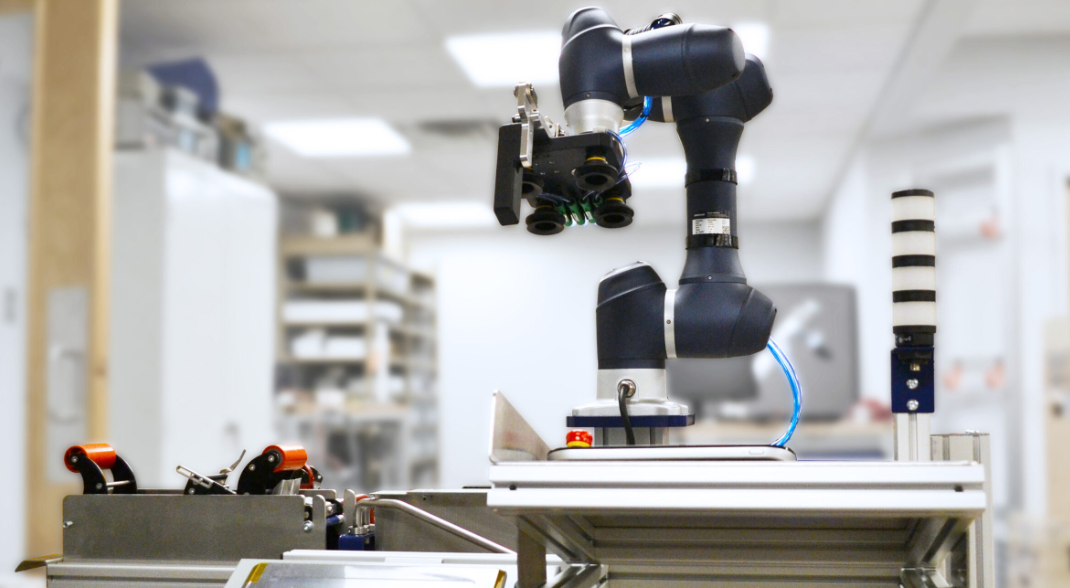
The manufacturing industry is experiencing a major transformation as businesses move toward smarter, more connected, and highly automated production environments. Modern factories are no longer focused only on increasing output. They are also working to improve accuracy, reduce operational waste, optimize resources, and create flexible systems that can respond quickly to changing market requirements. Packaging has become an important part of this transformation because it directly affects production efficiency, product handling, and supply chain performance. Within this evolution, the case erector has emerged as a valuable solution supporting the development of automated factories and intelligent packaging operations.
Traditional packaging methods often depended heavily on manual labor and separate production stages. However, the rise of smart manufacturing has encouraged businesses to integrate automated systems that improve coordination between different processes. Carton preparation, which is a fundamental step in packaging, is now becoming more efficient through advanced technology.
As industries continue adopting Industry 4.0 concepts, packaging automation is playing a greater role in creating connected factories where machines, data, and processes work together to achieve improved productivity and reliability.
The Shift Toward Smart Packaging Systems
Packaging has changed significantly over the years.
Previously, packaging was often considered the final stage of production with limited focus on automation. Today, businesses recognize that efficient packaging operations are essential for maintaining smooth supply chains and meeting customer expectations.
Smart packaging systems are designed to improve workflow, reduce manual limitations, and create more organized production environments.
This shift reflects the broader movement toward intelligent manufacturing.
Understanding the Role of Automation in Factories
Automation is becoming a central element of modern industrial operations.
Factories are integrating robotics, digital monitoring tools, and intelligent equipment to improve productivity and maintain consistent quality.
Automated systems allow businesses to reduce repetitive tasks while improving accuracy throughout production processes.
Packaging automation supports these goals by connecting carton preparation and other packaging activities with wider factory operations.
See also: business growth projections data
Improving Efficiency Through Connected Processes
Smart factories depend on better coordination between different stages of production.
When manufacturing, packaging, and distribution systems operate separately, businesses may experience delays and inefficiencies.
Connected automation solutions help create smoother transitions between processes.
By improving carton preparation efficiency, companies can maintain better production flow and reduce unnecessary interruptions.
Supporting Industry 4.0 Development
Industry 4.0 focuses on creating intelligent production environments through advanced technology.
It combines automation, data analysis, machine communication, and digital management systems.
Packaging operations are becoming part of this development as businesses seek complete control over their production processes.
Automated carton preparation solutions contribute to Industry 4.0 by supporting faster, more accurate, and more predictable packaging workflows.
Enhancing Production Accuracy
Accuracy is one of the most important requirements in modern manufacturing.
Incorrect carton preparation can affect product filling, sealing, transportation, and storage.
Automated solutions help maintain consistent carton formation, reducing variations that may occur during manual operations.
Improved accuracy supports better packaging quality and stronger supply chain performance.
Reducing Operational Pressure
Manufacturing businesses often face challenges related to labor availability, increasing demand, and production deadlines.
Automation helps reduce pressure by handling repetitive packaging activities with greater efficiency.
Employees can focus on areas that require decision-making, quality control, and process improvement.
This combination of technology and human expertise creates a more balanced production environment.
Supporting Large-Scale Manufacturing
Large manufacturing facilities require packaging systems capable of handling continuous production.
Industries such as food processing, consumer goods, electronics, pharmaceuticals, and logistics depend on reliable packaging operations.
Automated carton preparation helps these industries maintain productivity while managing high-volume requirements.
Scalable packaging technology allows businesses to expand without creating major workflow challenges.
Improving Resource Management
Smart factories focus on using resources more effectively.
Waste reduction, energy efficiency, and better workforce management are important goals for modern manufacturers.
Automation supports these objectives by improving process organization and reducing unnecessary activities.
Efficient resource management helps businesses achieve stronger operational performance.
The Importance of Data in Future Packaging
Data is becoming increasingly valuable in automated manufacturing environments.
Connected systems allow businesses to monitor performance, identify issues, and improve decision-making.
Future packaging operations will rely on real-time information to increase efficiency and maintain quality standards.
The integration of data and automation will continue shaping the future of industrial packaging.
Creating Flexible Manufacturing Environments
Modern markets change quickly, requiring businesses to adapt faster than before.
Flexible packaging systems allow manufacturers to respond to changing production requirements without major disruptions.
Automation provides the ability to adjust processes while maintaining consistency.
This flexibility is becoming a key advantage for businesses competing in global markets.
Preparing for the Future of Industrial Packaging
The future of packaging will continue moving toward smarter, more connected solutions.
Businesses will increasingly adopt technologies that improve efficiency, reduce waste, and support intelligent decision-making.
Automated factories will depend on integrated systems that connect every stage of production.
Packaging automation will remain an important part of this industrial evolution.
Final Thoughts
Smart manufacturing is reshaping the way industries approach production, and packaging has become a critical part of this transformation. Companies are moving beyond traditional methods and adopting automated solutions that improve accuracy, efficiency, and workflow coordination. As factories become more intelligent, packaging systems must also evolve to support faster and more reliable operations.
The increasing importance of the case erector shows how carton preparation is becoming a key element of automated factory development. By supporting connected workflows, improving consistency, reducing operational challenges, and contributing to smarter production environments, this technology is helping businesses move toward the future of intelligent manufacturing.