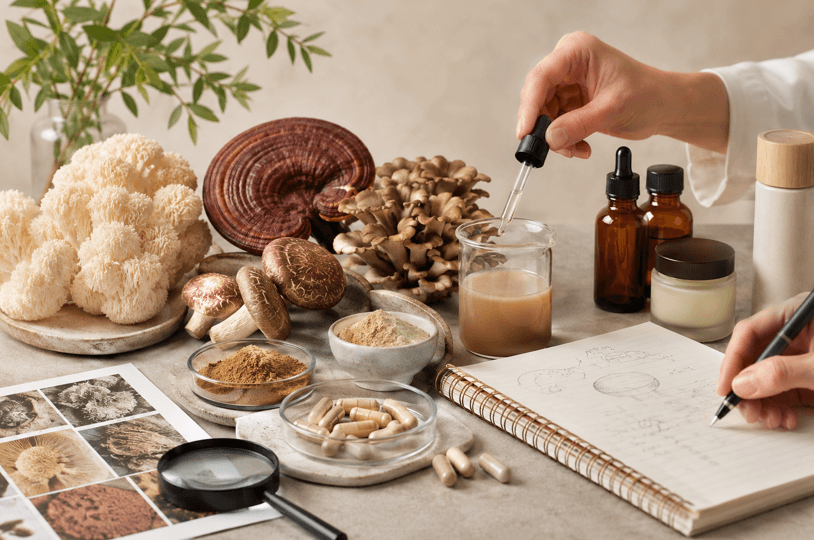
The Australian wellness and functional foods industry is going through this very fast transformation, and people seem really eager for that daily improvement of health and energy, especially when it comes to organic things and plant-based solutions. Among the ones that are really gaining momentum are mushrooms, which are being dropped into supplements, drinks, skincare, and even those functional snacking options.
Many brands are showing real interest in jumping into this category, but actually making it work needs more than just chasing the trend, you know. It takes real scientific understanding, careful attention to ingredient quality, and also product design that’s clever in the details.
A common input in this whole space is medicinal mushroom powder, valued for its easy handling and general versatility. Still, before companies spend more and more money, they should pause and properly assess the challenges, but also the good opportunities tied to using mushroom-based ingredients across Australia.
Growing Demand for Functional Mushrooms in Australia
Australian consumers are kinda leaning harder lately toward preventive health and this whole natural wellness vibe. And as that happens, there is strong demand for functional mushrooms, like lion’s mane, reishi, chaga, and cordyceps, which are often framed as natural adaptogens that may help with focus, immunity, and some kind of stress equilibrium.
A lot of brands are moving toward medicinal mushroom powder because it’s simple to work into different product formats such as capsules, protein blends, teas, and even ready-to-drink beverages. Still, the tricky part is keeping consistent quality while also landing on what people expect from clean-label products.
Understanding Formulation Challenges
It’s not exactly an easy job to work with mushrooms. You simply throw in a hot new ingredient, and there you have it! Mushrooms come packed with a strong, earthy flavour, and there is a little bit of bitterness that goes along with it as well.
Key formulation challenges include:
- Maintaining stability during heat processing
- Managing flavour masking in beverages and gummies
- Ensuring even distribution in powdered blends
- Preserving active compounds during manufacturing
Using medicinalmushroom powder is kind of tricky because you have to balance the dosage just right along with formulation techniques. If it’s not managed properly, it can happen that the final blend loses effectiveness, or it turns out a bit unpleasant to consumers…and that’s the part nobody wants.
Importance of Quality and Standardisation
One of the most critical aspects for brands to understand is that not all mushroom ingredients are the same, like really, they are not equal. The overall quality depends a lot on cultivation methods as well as extraction processes, drying techniques, and even how it is stored afterward. If those details are off, the result is off.
To build trust in the Australian market, brands should look for:
- Standardised beta-glucan content
- Third-party lab testing
- Clean sourcing practices
- Transparent supply chains
High-quality powdered medicinal mushroom helps keep things consistent from batch to batch, and that matters a lot for long-term brand credibility, honestly. If standardisation is not done right, then product performance can drift a bit, and that often causes customer dissatisfaction.
See also: 10 Retatrutide Telehealth Providers Worth a Hard Look in 2026
Product Positioning and Consumer Education
No matter how good the formula is, there is no way that it will be flawless unless the consumer knows exactly what he is purchasing. The consumer may not have an idea of the benefits that they can get from mushroom wellness supplements.
Brands should focus on:
- Simple and educational packaging
- Clear explanation of functional benefits
- Transparent ingredient storytelling
- Realistic wellness claims
Sincemedicinal mushroom powder is still fairly new for many mainstream customers, education really matters, as it helps a lot with adoption. When people get a clear picture about how and why to use it, their trust often goes up, and they tend to come back for more, repeat orders, and so on.
Conclusion
Going with mushroom-based ingredients could be a pretty strong way to bring fresh ideas into the Australian wellness scene, but it’s not all smooth sailing either. You run into hurdles like flavour masking, and then quality control, and also consumer education, in that kind of chain, every bit needs careful planning.
If there is enough willingness on the part of the brand to spend the money and employ a sound sourcing process, coupled with good formulation strategies, then the brand would have a clear advantage. Ultimately, the mushroom powder could be very useful in creating wellness products that are effective if approached correctly.