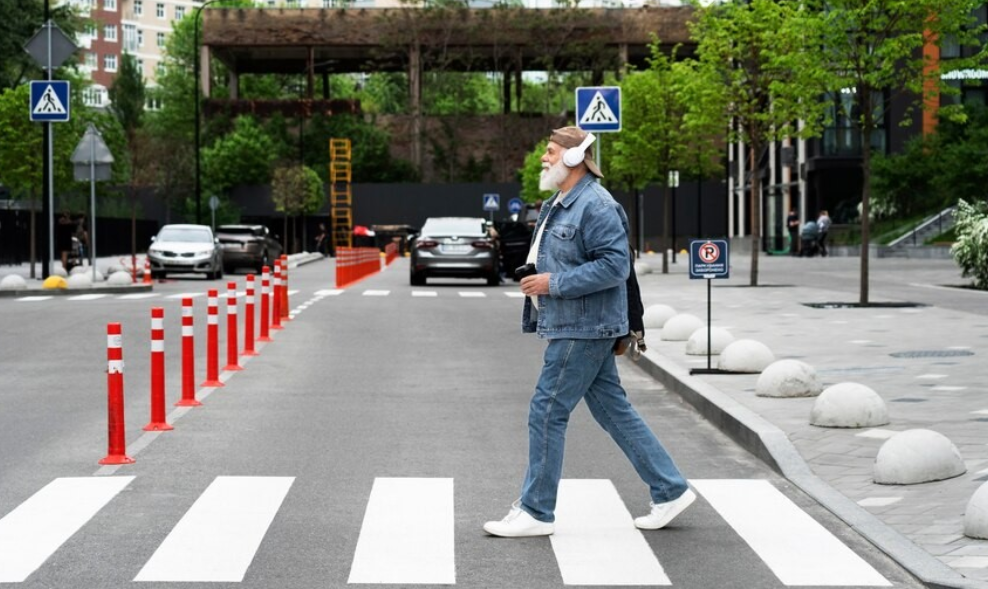
Modern transportation systems are being designed with a stronger focus on accessibility, safety, and equal mobility opportunities. As cities continue expanding, it has become increasingly important to create environments where every person can move confidently and independently. Roads and public spaces are used by people with different abilities, ages, and mobility requirements, which means transportation infrastructure must consider diverse community needs. In this changing environment, the pedestrian crossing has become more than a simple road feature. It is now an important part of creating inclusive transportation systems that support everyone.
For many years, road planning mainly focused on vehicle movement and traffic efficiency. However, modern urban development recognizes that pedestrians are equally important participants in transportation networks. Safe and accessible crossing areas help connect communities, improve mobility, and make public spaces easier to use.
As cities work toward more inclusive designs, advanced pedestrian crossing infrastructure is helping remove barriers and create safer environments where people from all backgrounds can travel with greater confidence.
The Importance of Inclusive Transportation Design
Transportation systems should serve the needs of the entire community.
People experience cities differently depending on their age, physical abilities, and daily requirements. A road system that does not consider these differences may create unnecessary challenges for many users.
Inclusive transportation design focuses on creating spaces that are safe and convenient for everyone.
Pedestrian infrastructure plays a major role in achieving this goal by improving access to essential locations such as schools, workplaces, healthcare facilities, and public areas.
Creating Safer Mobility for Different Users
Safety is one of the most important aspects of accessible transportation.
Busy roads and complex intersections can create difficulties for pedestrians who need additional support while crossing.
Well-designed crossing systems provide clearer guidance and improve confidence for people using public spaces.
By creating safer movement patterns, cities can reduce risks and encourage more independent mobility.
See also: Will 300mg of Gabapentin Cause Weight Gain: Common Questions, Risks, and Better Comparison Criteria
Supporting Elderly Pedestrians and People With Mobility Challenges
Older adults and individuals with mobility challenges may require additional time and support when navigating roads.
Modern crossing infrastructure considers these needs through improved designs and user-friendly features.
Better crossing systems help create environments where people can move at a comfortable pace without unnecessary pressure.
This approach supports greater independence and improves quality of life.
Making Cities More Accessible for Everyone
Accessibility is not limited to specific groups.
Families with children, travelers carrying items, and people temporarily experiencing mobility difficulties can also benefit from better pedestrian infrastructure.
When cities improve accessibility, the entire community benefits.
Inclusive design creates public spaces that are easier and safer for everyone to use.
Improving Connections Between Communities
Transportation infrastructure helps connect people with opportunities.
Safe pedestrian routes allow residents to access education, employment, shopping areas, and social activities more easily.
When crossing systems are properly designed, neighborhoods become more connected and accessible.
Better mobility strengthens community relationships and improves urban experiences.
The Role of Technology in Inclusive Crossing Systems
Technology is helping cities improve pedestrian accessibility.
Modern crossing solutions can include improved signals, interactive features, better visibility systems, and intelligent controls.
These innovations help create transportation environments that respond more effectively to user needs.
As smart infrastructure continues developing, technology will play a greater role in creating inclusive mobility solutions.
Supporting Smart City Accessibility Goals
Smart cities focus on using innovation to improve daily life.
A major part of smart city development is ensuring that technology benefits all members of society.
Inclusive pedestrian infrastructure supports this vision by making transportation systems safer and more adaptable.
Advanced crossing solutions help cities move toward a future where accessibility is built into urban planning.
Reducing Barriers in Public Spaces
Physical barriers can prevent people from fully participating in community life.
Poorly designed roads and crossings may limit mobility and create dependence on others.
Improved pedestrian infrastructure helps remove these obstacles by making movement easier and more predictable.
Creating barrier-free environments allows more people to engage with their communities.
Encouraging Walking and Sustainable Mobility
Accessible pedestrian systems also support sustainable transportation goals.
When people feel safe walking, they are more likely to choose walking for short-distance travel.
This can reduce traffic pressure and contribute to healthier urban environments.
Better crossing infrastructure encourages cities to become more pedestrian-friendly.
Preparing Urban Areas for Future Needs
Cities are constantly changing.
Population growth, aging communities, and evolving mobility patterns require transportation systems that can adapt over time.
Investing in inclusive pedestrian infrastructure helps cities prepare for future challenges.
Flexible and accessible designs create stronger foundations for long-term urban development.
Building More Equal Transportation Networks
A successful transportation system should provide opportunities for everyone to move freely.
Inclusive infrastructure ensures that mobility is not limited by physical challenges or environmental barriers.
By prioritizing accessibility, cities can create transportation networks that support equality and independence.
This approach benefits both individuals and the wider community.
The Future of Inclusive Pedestrian Mobility
Future transportation systems will continue focusing on human-centered design.
Advances in technology, planning, and infrastructure development will create new opportunities for safer and more accessible mobility.
Pedestrian solutions will become increasingly integrated with smart city systems.
This evolution will help cities create environments designed around the needs of all users.
Final Thoughts
Inclusive transportation is becoming an essential part of modern urban development. As cities grow, infrastructure must evolve to support people with different abilities, lifestyles, and mobility requirements. Safe and accessible pedestrian systems help create communities where everyone can move more confidently and participate fully in daily activities.
The continued improvement of the pedestrian crossing highlights the importance of designing transportation networks with inclusion in mind. By supporting accessibility, improving safety, and connecting communities, advanced pedestrian crossing infrastructure is helping build more welcoming and efficient cities for future generations.