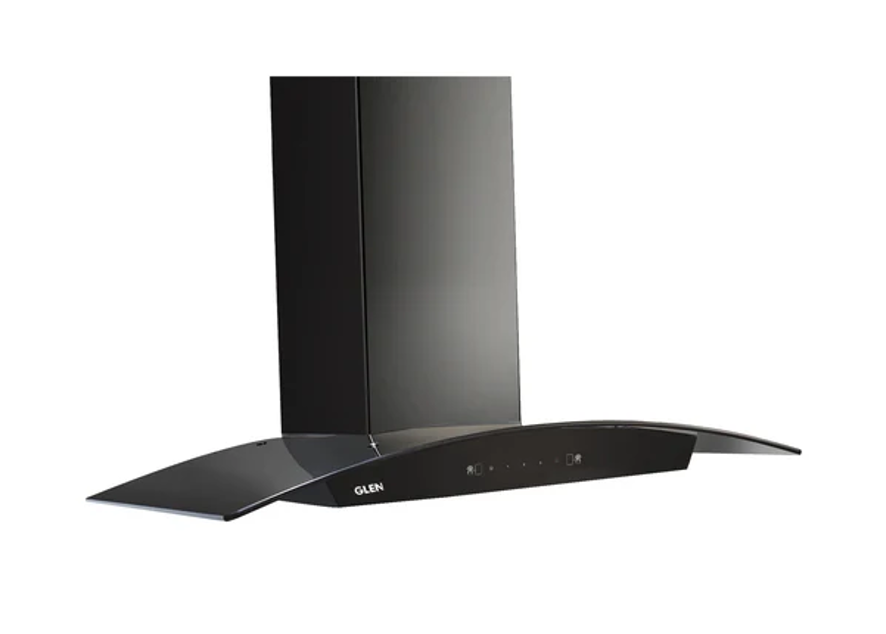
You flip the switch on your chimney, anticipating that it will quietly do its job of whisking away smoke and grease. Instead, you are met with a humming and rattling racket. This can be incredibly annoying, especially if you live in a small apartment where every sound seems to echo. If you find yourself wondering if this is just how chimneys are supposed to sound, take a breath, there are many other homeowners face the same issue.
Modern kitchens can’t function well without solid ventilation, yet even a well-built modern chimney for kitchen use can start acting up over time. The good news? Most of these noise issues are common, predictable, and fixable.
What’s Actually Causing the Noise?
A noisy chimney usually means one of three things: either something is blocking the airflow within the chimney, the chimney itself was not installed correctly, or some part of the chimney has worn down over time. One of the most common culprits of a noisy chimney is a clogged filter. The filter on the chimney is exposed to the grease and smoke emitted from the cooking process in the kitchen. Over time, the filter begins to get caked in this grease. As a result, it begins to block the airflow into the chimney, causing the motor to work overtime to draw in the air. An Indian kitchen, which uses a high amount of oil and spices in its cooking, will experience this clogging of the filters much faster than a kitchen that does not use as many oils or spices. Therefore, it is essential to clean the filters of the chimney on a regular basis to prevent it from becoming noisy.
Another reason for noisy chimneys is that they are not properly installed on the wall of the kitchen. Because chimney components have vibrations when in use, a loose chimney on the wall will vibrate with the motor and create a rattling or buzzing sound from the chimney components. Chimneys that are built to be more powerful tend to be noisier than those that are not. This higher power is advantageous when performing certain cooking processes in the kitchen, but if the chimney is run at a high power level when it is not needed, it creates unnecessary noise.
The motor or fan blades may be getting old. Like any other moving part, they wear out over time and skip maintenance only increases the rate at which the fan will begin to make sounds that the system shouldn’t make. Also, the ductwork in the house may have kinks and sharp bends within the system that cause disruptions to the airflow and contribute to noise within the home.
Practical Ways to Quiet Things Down
The good news is that you don’t typically need to replace your chimney just because it’s making some noise. A few maintenance habits should fix most of the issues. Clean the filters at least every two to three weeks. Whether you have grease or baffle filters, this will prevent the motor from working too hard. Make sure that your chimney has been installed properly, and tighten any loose screws. Try running the chimney for one minute to see if you notice any vibrations.
Use the chimney at the lowest suction setting necessary. Don’t always run it on the highest setting because that can create more noise. Finally, make sure that the duct that the chimney uses to vent air out of the room is not blocked by anything and is not bent at sharp angles. Get your chimney checked by a professional every few months to keep it in good working condition.
See also: How Poorly Sealed Roof Transitions Become Problem Areas
What Makes Newer Chimneys Quieter?
If you’re in the market for an upgrade, it helps to know which features in a modern chimney for kitchen spaces actually make a difference to noise levels. Better motor engineering: newer motors are built to deliver strong suction while running far quieter than older designs, ideal for everyday cooking. Auto-clean functionality: these models reduce grease buildup on their own, which means fewer blockages and, in turn, less noise over time.
Smarter filter design: many current chimneys use filters engineered to offer minimal resistance to airflow, or skip traditional filters altogether. Well-designed airflow paths: a chimney engineered for smooth air movement generates suction without unnecessary turbulence or pressure buildup. It’s worth noting that a lot of buyers spend their energy comparing kitchen chimney rate across brands, but price alone doesn’t tell you much about how quiet or durable a unit will actually be.
Thinking Long-Term: When Maintenance Isn’t Enough
If you have performed all of the proper maintenance tasks on your chimney and it is still noisy, it might be time to consider replacing your chimney entirely. Sometimes the problem with the chimney is not related to how well it has been maintained, but instead relates to how it was manufactured in the first place. Better chimneys today are manufactured with features that can handle the demands of the cooking in your kitchen, yet do not create a noisy kitchen environment.
Some of the technologies that you should look for in a new chimney include technology that reduces grease accumulation, suction fans that are sufficient for the size of your kitchen, durable motors, and design features that will reduce the noise created by the chimney during operation.
Conclusion
A noisy chimney isn’t just a minor annoyance, it can genuinely take away from the experience of cooking in your own kitchen. Fortunately, most causes are fixable with a bit of regular care, though the underlying build quality and design of the unit still matter enormously.
The brands worth paying attention to are the ones that don’t compromise on suction efficiency while also building in auto-clean features and smart airflow systems. Glen Appliances, for example, designs its chimneys with Indian cooking conditions specifically in mind, where oil and grease accumulate faster than in many other cuisines. So the next time you’re evaluating a modern chimney for kitchen use, don’t let kitchen chimney rate be the only factor guiding your decision.