Understanding Modern Thermal Imaging Technology
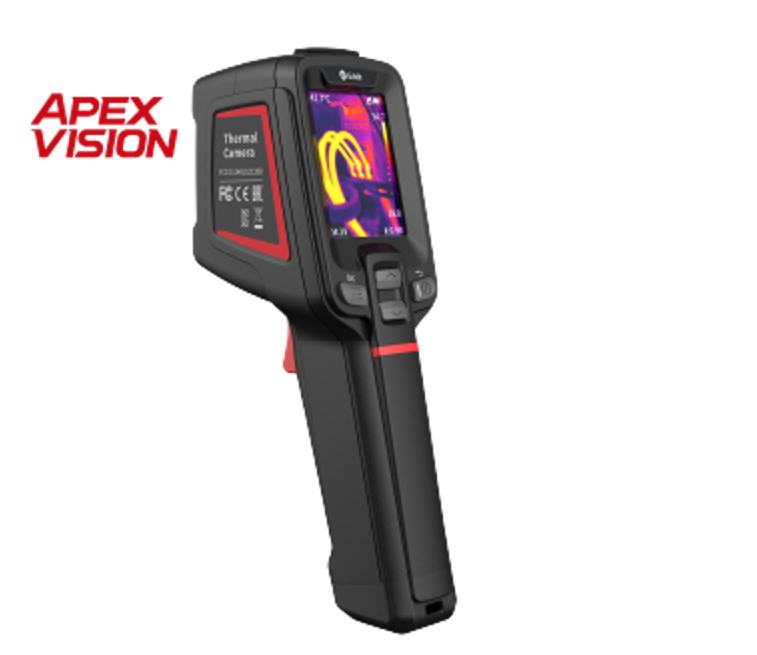
Thermal imaging has become an essential tool across industries such as electrical inspection, building diagnostics, security, firefighting, and industrial maintenance. At the center of this advancement is the 256×192 intelligent thermal camera, a compact yet powerful device designed to deliver clear thermal insights without the complexity or high cost of traditional high-resolution systems.
This resolution refers to the infrared sensor’s ability to capture 49,152 temperature measurement points in a single frame. While it may seem modest compared to high-end thermal devices, modern processing algorithms and intelligent enhancement features make it highly effective for most professional and semi-professional applications.
Today, solutions like guide sensmart thermography tools—especially those developed and distributed under the Guideir ecosystem—are making this technology more accessible, portable, and user-friendly than ever before.
What Makes a 256×192 Intelligent Thermal Camera Valuable
The biggest advantage of a 256×192 intelligent thermal camera is its balance between performance, affordability, and portability. It is designed for users who need reliable thermal imaging without investing in bulky or expensive industrial-grade systems.
One of the key strengths lies in its intelligent processing capability. Instead of relying only on raw resolution, these cameras use AI-based image enhancement, temperature mapping, and contrast optimization to produce clearer thermal visuals. This allows technicians and inspectors to quickly identify hotspots, energy leaks, or mechanical faults with confidence.
Another major advantage is real-time responsiveness. The camera processes thermal data instantly, enabling professionals to make quick decisions in the field. Whether diagnosing electrical panels or checking HVAC systems, speed and accuracy are critical, and this technology delivers both.
Enhanced Efficiency in Industrial Inspections
Industrial environments require precision and reliability. The 256×192 intelligent thermal camera plays a crucial role in preventive maintenance by helping identify problems before they escalate into costly failures.
In electrical systems, overheating components can lead to serious hazards such as fires or system shutdowns. Thermal cameras allow technicians to detect abnormal heat patterns early, reducing risk and improving operational safety.
In mechanical maintenance, friction and wear often generate heat signatures that are invisible to the naked eye. With thermal imaging, maintenance teams can monitor equipment health without disassembly, saving both time and labor costs.
When integrated into guide sensmart thermography tools, these cameras become even more powerful, offering guided analysis features that simplify complex diagnostics for both experienced engineers and beginners.
Benefits for Building and Energy Audits
Energy efficiency is a growing concern in residential and commercial buildings. A 256×192 intelligent thermal camera is highly effective in identifying insulation issues, air leaks, and thermal bridging in walls, windows, and roofing systems.
Building inspectors use thermal imaging to detect heat loss patterns that would otherwise remain hidden. This helps property owners improve insulation, reduce energy bills, and enhance indoor comfort.
In energy audits, the camera provides a visual representation of heat distribution, making it easier to explain inefficiencies to clients. Instead of relying on abstract numbers, inspectors can show real-time thermal images that clearly demonstrate problem areas.
The integration of guide sensmart thermography tools further enhances reporting capabilities, enabling users to generate structured diagnostic insights that support professional energy assessments.
Applications in Security and Safety Monitoring
Security systems are increasingly adopting thermal imaging technology due to its ability to function in complete darkness and challenging weather conditions. A 256×192 intelligent thermal camera provides reliable monitoring where traditional CCTV cameras may fail.
It can detect human presence based on heat signatures, making it useful for perimeter security, restricted area monitoring, and nighttime surveillance. Unlike visible-light cameras, thermal imaging is not affected by lighting conditions, shadows, or glare.
In firefighting scenarios, thermal cameras help locate hotspots, trapped individuals, and fire sources in smoke-filled environments. This enhances response speed and improves safety outcomes for both victims and emergency personnel.
Through guide sensmart thermography tools, these safety applications become more intuitive, with simplified interfaces and smart detection features that reduce the learning curve for new users.
Portability and Ease of Use
One of the defining characteristics of modern thermal devices is portability. The 256×192 intelligent thermal camera is typically compact, lightweight, and designed for handheld operation or smartphone integration.
This portability allows technicians to carry it easily between job sites without additional equipment burden. Many models also support plug-and-play functionality, making setup quick and hassle-free.
Ease of use is another important factor. Intuitive interfaces, touchscreen controls, and automated calibration features ensure that even users with minimal technical experience can operate the device effectively.
When used within the guide sensmart thermography tools ecosystem, users benefit from guided workflows, automatic analysis suggestions, and simplified reporting formats that enhance productivity.
Cost-Effective Solution for Professionals and Businesses
High-end thermal imaging systems can be extremely expensive, limiting their accessibility to large enterprises. The 256×192 intelligent thermal camera provides a cost-effective alternative without significantly compromising performance.
For small businesses, contractors, and independent technicians, this affordability makes thermal imaging a practical investment rather than a luxury. It enables more frequent inspections, improved service quality, and better customer satisfaction.
Businesses using guide sensmart thermography tools can scale their diagnostic capabilities without large capital expenditure, making it easier to integrate thermal technology into everyday operations.
Role in Predictive Maintenance Strategies
Predictive maintenance is one of the most important applications of thermal imaging. Instead of reacting to equipment failure, organizations can anticipate problems before they occur.
A 256×192 intelligent thermal camera helps identify abnormal heat signatures that indicate wear, electrical resistance, or mechanical stress. By analyzing these patterns over time, maintenance teams can schedule repairs proactively.
This approach reduces downtime, extends equipment lifespan, and improves overall operational efficiency. When combined with guide sensmart thermography tools, predictive maintenance becomes more structured, with intelligent alerts and guided diagnostics that support decision-making.
See also: Office Cleaning Services Dubai for a Productive and Professional Work Environment
Why Guideir Technology Enhances Thermal Imaging Performance
In the evolving field of thermography, Guideir-focused solutions play a key role in making advanced imaging accessible and practical. Devices built around this ecosystem emphasize intelligent processing, user-friendly interfaces, and optimized thermal accuracy.
A 256×192 intelligent thermal camera integrated within Guideir-supported systems benefits from enhanced calibration algorithms, improved image clarity, and better data interpretation tools. This ensures that users get more value from every scan, whether they are performing industrial inspections or building diagnostics.
The continuous development of guide sensmart thermography tools underlines a shift toward smarter, more connected thermal imaging solutions that prioritize usability and efficiency.
Future of Intelligent Thermal Imaging
The future of thermal imaging is moving toward greater intelligence, automation, and integration. As AI continues to evolve, the 256×192 intelligent thermal camera will become even more capable in detecting patterns, predicting failures, and generating automated reports.
We can expect improvements in image resolution enhancement, faster processing speeds, and deeper integration with mobile and cloud platforms. These advancements will make thermal imaging an even more essential tool across industries.
Within ecosystems like guide sensmart thermography tools, future innovations will likely focus on real-time analytics, remote diagnostics, and enhanced collaboration features for teams working across multiple sites.
Conclusion
The 256×192 intelligent thermal camera represents a powerful balance of affordability, intelligence, and practical performance. It empowers professionals across industries to detect issues early, improve safety, reduce costs, and enhance operational efficiency.
When combined with advanced ecosystems such as guide sensmart thermography tools, particularly those aligned with Guideir-driven innovation, the value of thermal imaging increases significantly.
From industrial maintenance to building inspection and security applications, this technology continues to transform how professionals visualize and understand heat. Its accessibility and intelligent features ensure that thermal imaging is no longer limited to specialized experts but available to a much broader range of users.